
Introduction
As eCommerce businesses grow, their technology needs change. A traditional platform may work well at first, but growing product catalogs, custom customer experiences, and multiple sales channels can create new demands. That is where headless commerce enters the conversation. But is it worth the investment at your current revenue level? The answer depends less on revenue alone and more on the challenges your existing platform is creating.
What Is Headless Commerce?
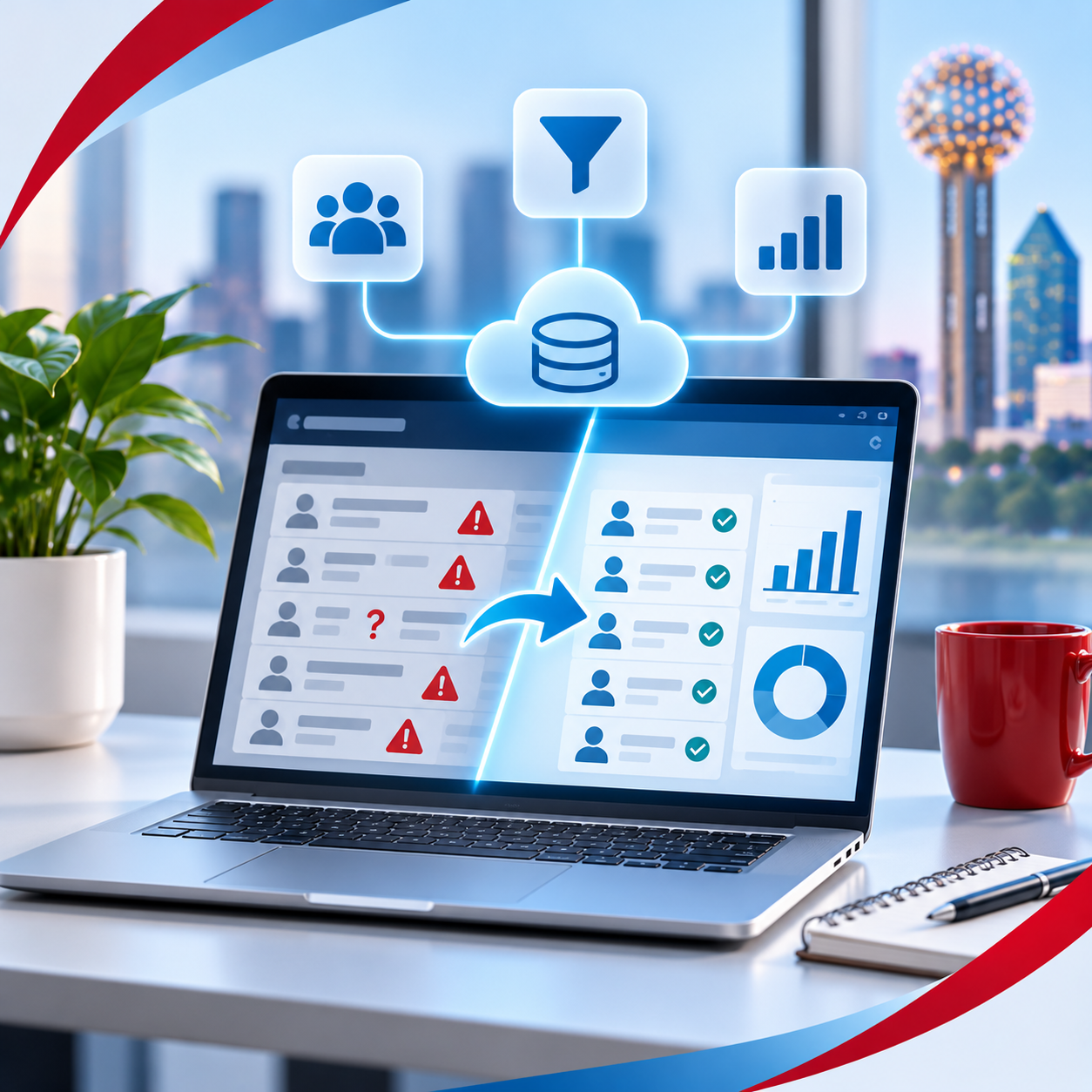
Headless commerce separates the customer-facing storefront (the frontend) from the commerce engine (the backend). The two communicate through APIs. This gives businesses more freedom to design and manage shopping experiences across websites, mobile apps, kiosks, and other digital touchpoints without rebuilding the underlying commerce system.
When Is Headless Commerce Worth It?
Headless commerce may be a strong investment when your business:
- Needs a highly customized storefront that a traditional theme cannot support efficiently.
- Sells across multiple channels and wants more control over consistent customer experiences.
- Has performance, flexibility, or integration limitations that are affecting growth.
- Has a development team or technology partner able to maintain a more complex architecture.
- Can identify measurable business benefits that justify the additional build and operating costs.
When Should You Wait?
If your current store is performing well, your customer journey is straightforward, and your main needs can be met through your platform’s existing features or apps, a headless rebuild may add cost without delivering enough value. Smaller or early-stage businesses may get a better return by improving product pages, checkout, site speed, analytics, and marketing before changing their architecture.
What Does It Cost Beyond Revenue?
Headless commerce can require higher upfront development investment and ongoing costs for hosting, API management, integrations, testing, monitoring, and specialist maintenance. The total depends on the platform, store complexity, design requirements, traffic, and internal capabilities. Consider the full cost of ownership, not just the initial development quote.
A Smarter Way to Decide
Before investing, compare your current platform with the proposed headless solution. Identify the specific problems you want to solve, estimate the costs, and define measurable outcomes such as faster page experiences, higher conversion, lower maintenance effort, or better omnichannel reach. A phased approach or pilot can help validate the business case before committing to a full migration.
Final Thoughts
Headless commerce is not automatically the next step for every growing eCommerce business. It is a strategic architecture choice that makes sense when flexibility and customer experience needs outweigh the added cost and complexity. The right question is not simply whether your revenue is high enough. It is whether your current platform is limiting growth—and whether headless commerce can solve that problem with a measurable return.
Ready to Choose the Right eCommerce Architecture?
PakAmGlobal helps businesses evaluate technology needs and build practical digital transformation strategies. From eCommerce platform assessment to integrations and scalable technology solutions, we help align technology decisions with business goals.
Let’s find the right architecture for your next stage of growth.
Contact: info@pakamglobal.com | Website: www.pakamglobal.com
FAQs
Is headless commerce only for large businesses?
No. Businesses of different sizes can use headless commerce, but the cost, technical resources, and complexity need to be justified by clear business requirements.
Does headless commerce improve website speed?
It can enable highly optimized frontend experiences, but speed is not guaranteed. Architecture, implementation quality, hosting, APIs, and third-party scripts all affect performance.
Should a growing Shopify store go headless?
Not necessarily. A Shopify store should consider headless when its storefront requirements, channel strategy, or technical limitations justify the additional development and maintenance effort.
What should businesses evaluate before going headless?
Assess customer experience needs, platform limitations, integration requirements, total cost of ownership, internal technical skills, and measurable expected returns.